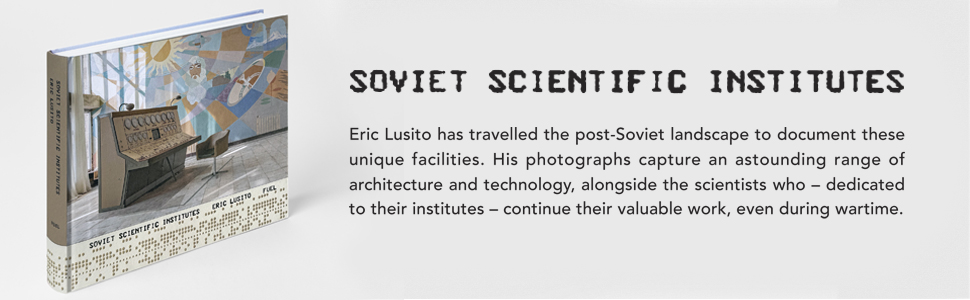
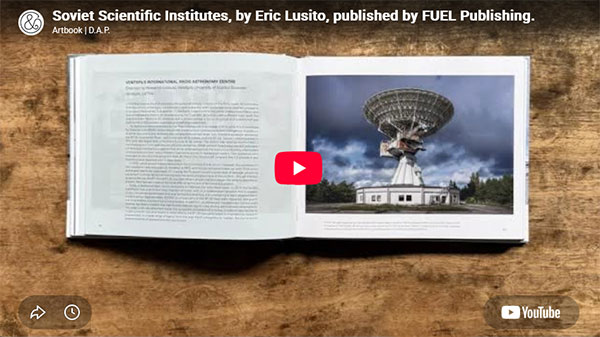
Soviet Scientific Institutes
A journey through time, space and science.
Over the last hundred years, science and technology have deeply transformed our societies. The USSR appeared to be the most exalted by the power of science, up to the point of irrationality. The Soviets promoted the cult of science as an ideological tool to unseat religion and rapidly modernize the country. The USSR spent lavishly to build ever bigger and more sophisticated machines, and eventually became a technological superpower. These utopian worlds of Soviet modernity were embodied in "big science" projects involving up to several thousand people. Science flourished but the research work, designed mostly for the military, was carried out behind closed doors in an atmosphere of complete secrecy.
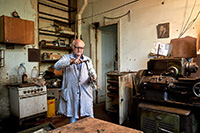
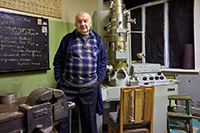
The status of scientists, once prestigious, changed radically after the collapse of the system. During the turmoil of the 1990s, the institutes were virtually abandoned with no funding. The extremely low salaries — sometimes as little as $5 per month — led to disillusionment and a brain drain. Despite the hardships they faced, some scientists persevered and devoted their lives to saving their facilities.
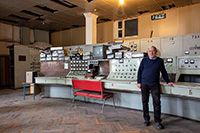
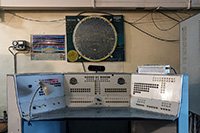
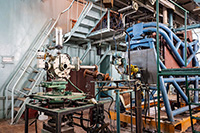
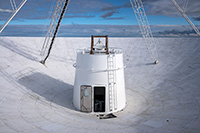
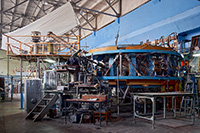
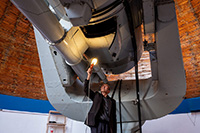
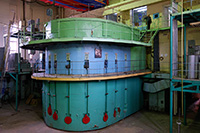
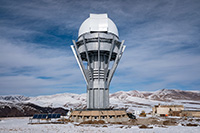
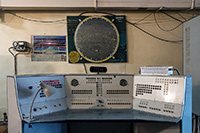
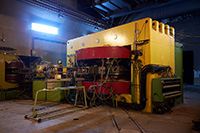
Synchrotron, high-voltage laboratory, nuclear research reactor, radio telescope, cyclotron, stellarator… These monumental installations could have been taken straight from the pages of a comic book or graphic novel, or from the works of science fiction writers such as Jules Verne and H. G. Wells. Their gigantic control panels and mysterious machinery bear witness to our never-ending quest for knowledge.
The book documents 22 Soviet-era research institutes across eight countries (Ukraine, Armenia, Kazakhstan and others), and tells their stories that are as diverse as they are complex: laboratories that have survived political upheaval, funding shortages, and, for some, the ravages of war. Nevertheless, these institutions strive to keep a remarkable scientific tradition alive. The book offers a visual reflection on our changing relationship with science, technology and the future itself.
Former Soviet scientific megastructures captured in striking photos.
— New ScientistReaching for the stars: enduring symbols of Soviet science – in pictures. The photographer Eric Lusito takes us on a scientific journey through space and time.
— The GuardianA (perfect) balance between documentary accuracy and aesthetic appeal.
— EsquireA portal into a hidden world where ambition, secrecy, and science intersect.
— All About PhotoThese gigantic facilities radiate a sense of power, an eerie sci-fi vision of a future that never came.
— Strong Words MagazineSoviet Scientific Institutes captures the afterlife of a society dedicated to discovery. Photographer Eric Lusito captures the strange experimental facilities and laboratories scattered across the countries left behind by the USSR.
— Wallpaper*Lusito documents these strange, often inaccessible spaces with a restrained eye for their scale, theatricality and lingering sense of purpose.
— Flux MagazineAn important historical testimony, a story of secrecy and boundless ambition.
— SKY ArteHow Eric Lusito photographed the machines built to engineer the future.
— About PhotographyA remarkable book.
— The New WorldThe architecture of socialist science and ambitions.
— Stir World